 |
| Gorgeous specimen, wouldn't you agree? |


Meat is plentiful here, no doubt about it. There is also a bit of an expectation that any reasonable red-blooded Alaskan should be out there stalking his next meal. If our nation experienced some type of national disaster where our food supply was cut off, we could survive very well here. There is an abundance of animal food in the water and on the land, as well as berries and fresh water. I kind of like knowing that, even though I'm not really a big meat-eater.
But scientific studies show that we don't need animal protein to survive. In fact, animal protein just may be much of what ails us (see my previous post for more on this). It has been indicated in numerous studies that diets high in consumption of animal products (meat, dairy, eggs - even the organic stuff) contribute to an array of illnesses, including many cancers, heart disease, diabetes and osteoporosis. Netflix has an intriguing movie called Forks Over Knives, which details the massive China Study (there is a fabulous book by the same name). I highly, Highly, HIGHLY recommend it.
So here I am, an Alaskan not eating meat. Does that mean I will never eat meat? No. Once in a blue moon I may have some. My husband makes some pretty killer halibut tacos for guests, and I partake in those. I can't do Thanksgiving without turkey, nor Christmas without ham. And if I am a guest in someone's home, I'll gladly eat whatever meat dish is set before me, with thankfulness and gratefulness... for I believe that is better for my health than obstaining, only to offend someone I care about.
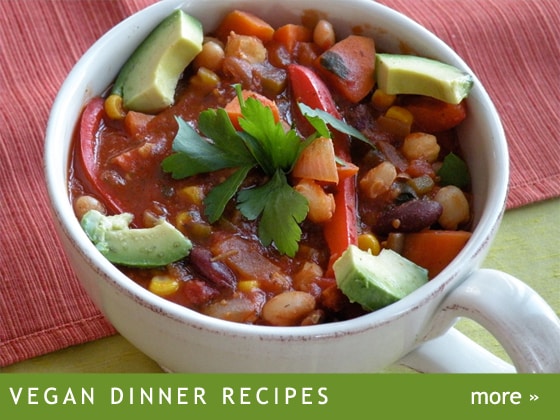
Some of you have been asking what a meat- and dairy-free eating plan can look like. Your day-to-day eating can look something like this (several options listed for each meal)...
BREAKFAST:
fruit smoothie (with kale or spinach thrown in for good measure); fresh fruit; oatmeal with applesauce, walnuts and raisins; potatoes and tomatoes (baked dish); French toast on whole grain bread; spelt flour waffles with berry topping; pumpkin pancakes; cooked yam and crushed pineapple blended together (affectionately called "yam yum" in our house)


LUNCH:
big garden salad; pita sandwich stuffed with garbanzos and sprouts; black bean burritos; vegetarian chili; lentil vegetable soup; veggie burgers; quinoa, corn and black bean salad; five bean salad; roasted veggies; cucumber salad


SNACKS:
homemade granola bars; handful of nuts; fresh fruit; crisp veggies with hummus; fruit smoothie; multigrain chips


SUPPER:
big garden salad; roasted veggies on a bed of quinoa; taco salad with beans; pumpkin/corn chowder; cabbage soup; lentil stew; stir fry on brown rice; whole wheat or quinoa spaghetti noodles with marinara sauce (add mushrooms, kidney beans and corn)


For those who simply aren't ready to give up a meaty taste, there are several decent tofu meat substitutes (sorry, no picture of someone hunting the elusive tofu). These can be used in wherever you would otherwise used ground meat.
A caution: be careful not to add high amounts of dressings or oil (even "good" oils - they are still high in fat) or large amounts of refined grains (breads, pastas, cereals). These require a large insulin spike and can send your blood sugars into a tailspin, leaving you feeling foggy and/or irritable a half-hour after eating.
Costco, good ol' Costco, sells some of our favorite staples. We buy massive amounts of frozen fruit and fresh fruit (for smoothies or general gnoshing), fresh veggies (for our big salads, munching, or roasting), oatmeal, and some interesting vegetarian quick meals to put over a bed of rice (be careful, though, as these tend to be high in sodium and/or fat).
Here are some basic principles:
- Fresh, raw fruits and veggies offer the most nutrition and disease-fighting phytochemicals.
- The more raw, the merrier!
- Cooking kills life-giving enzymes in fruits and veggies, so limit cooked foods to about 10-15% of what you eat.
- A BIG garden salad (lettuce or spinach, broccoli, cauliflower, tomatoes, cucumbers, mushrooms, peppers...) is a good way to start lunch and/or dinner. Don't kill the benefits with gobs of greasy dressing.
- Beware of serving sizes on non-raw foods. Dressings, whole grain breads, oatmeal, brown rice, etc. can pack a lot of calories, even in small servings.
- "Crowd out" the less nutritious foods by first eating foods with high nutrient density (like those gorgeous salads). Fill up on the healthy, and you'll be less likely to eat the unhealthy.
- You're not denying yourself something, you're giving your body what it needs to thrive.
- When you feed your body what it needs, your cravings will diminish (I couldn't believe it either, but it's true!!).
- Go through your kitchen and throw away the low nutrient density foods (it's okay, really). Get rid of the things that trip you up.
- Refined sugar greatly lowers your immune system and your body's ability to fight sickness.
- It's what you do 90% of the time that will make you. Allow yourself that 10% of freedom. But don't use your freedom to indulge in junk that will make you feel bad or sick.
Happy eating!

Oh you make it sound so easy and delightful actually!! Thank you!
ReplyDeleteI'm experimenting with new things, myself! There sure are some great recipes out there... something for everyone!
DeleteSo, I'm convinced. And Kevin is convinced in theory. If it was up to him, we would live in a greenhouse and grow all of our own food. BUT, he tends to feel deprived if he doesn't get meat from time to time. Was it easy to get Jeff on board? I don't want to make multiple meals, but I'm considering making meals where I can add meat to his portion.
ReplyDeleteHeather... I'm so glad you posted this comment. The answer to it has become my latest blog entry. It's long, but if you still have questions, please feel free to comment again and I'll do my best to answer more effectively! Bless you!
Delete